 9.2
Chicken Coops
/ Luffy Pets Collection
Wooden
Luffy Pets Collection Chicken Coops
This collection features training tools for wooden chicken coops to encourage proper laying habits. These items help manage nesting boxes by guiding hens to specific locations
Standout
Current set
1 coop in this set
Ranges Affordable Wooden
9.2
Worth noticing
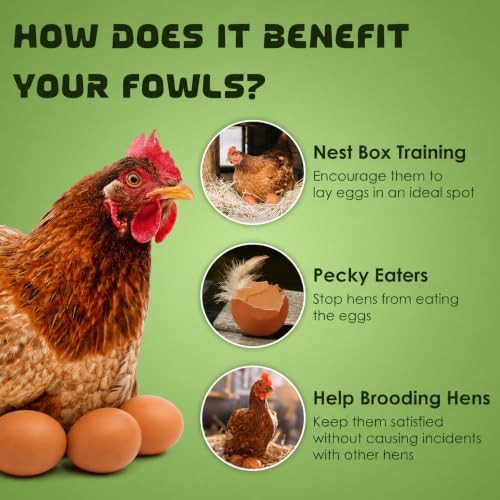
Nesting Box Training
These tools help train hens to lay inside specific boxes.
Realistic Appearance
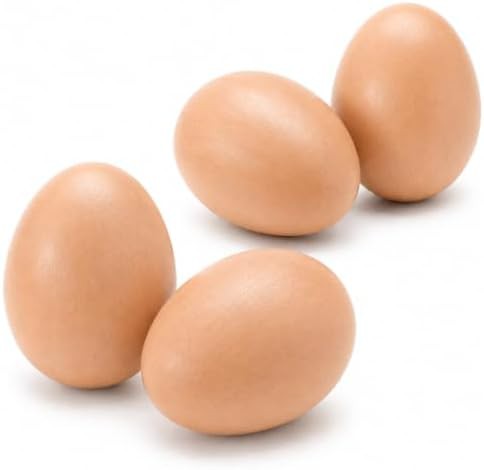
The beige color mimics the look of real poultry eggs.
Durable Materials
The components are built to withstand daily use in wooden coops.
From use
Notes from buyers
The beige training eggs helped my hens learn to use their new nesting boxes.
These fit perfectly inside my wooden coop and look very realistic.
I put these in the nest box and the hens started laying there immediately.
Why this brand is here
Nesting Box Management
The listings center on training aids for wooden chicken coops and nesting boxes. These items use realistic colors and shapes to influence hen behavior.
- Beige training eggs
- Nesting box placement
- Wooden coop compatibility
- Four-pack sets
- Laying habit reinforcement

What to look for
What is here
Look through Wooden chicken coops, Affordable to see how the Luffy Pets Collection models split.
Materials and parts
Luffy Pets Collection keeps the build language in the product names: Beige wooden training eggs for nesting boxes.
Made to use
These Luffy Pets Collection coop line up with Wooden chicken coops, Affordable.
The difference
Titles already name the split: Beige wooden training eggs for nesting boxes.
FAQ
Luffy Pets Questions
What is the purpose of the Luffy Pets training eggs?
They are used to train hens to lay their eggs inside the nesting box. This helps prevent eggs from being laid on the coop floor.
What color are the training eggs?
The training eggs are beige to mimic the appearance of real eggs. This color helps the hens identify the proper laying spot.
How many items come in a pack?
These training aids come in a 4-piece pack. This allows you to place them in multiple nesting boxes at once.
What type of coops are these for?
These are primarily used in wooden chicken coops and nesting boxes. They are essential for managing poultry laying habits.